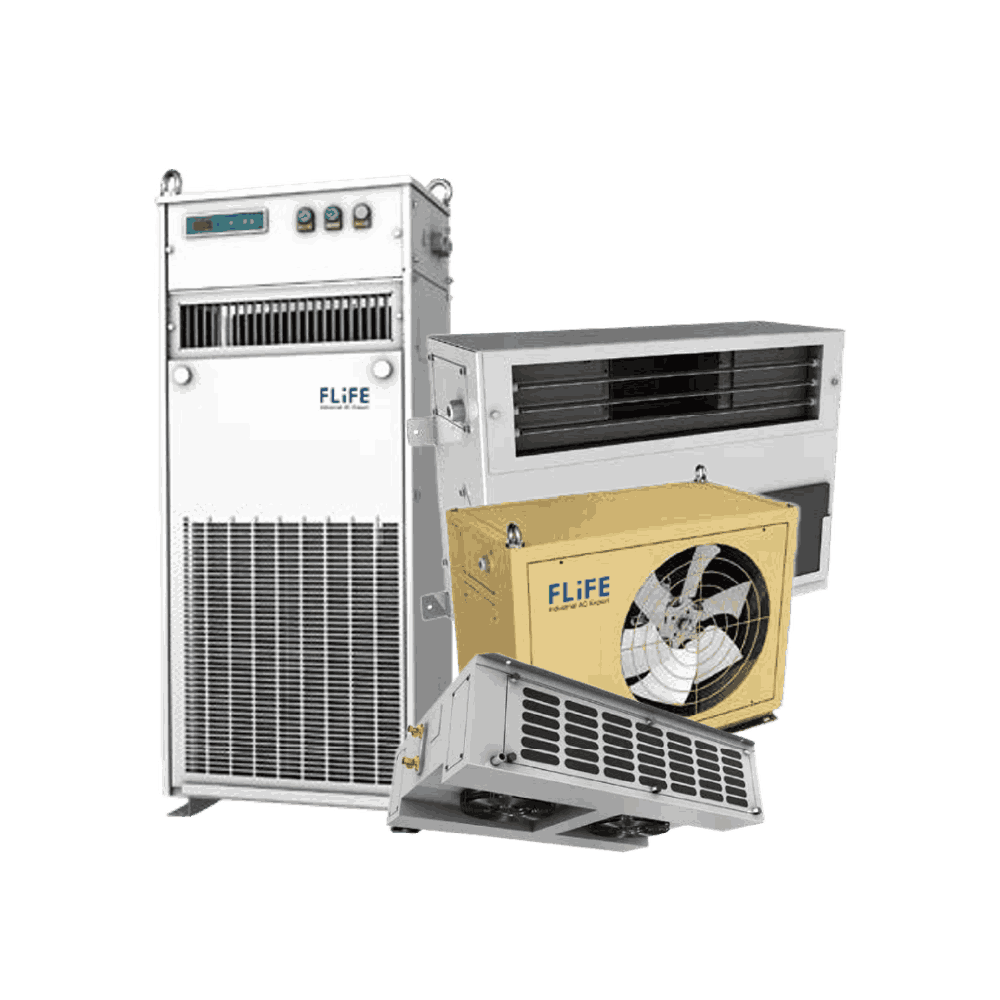
Explosion-Proof AC
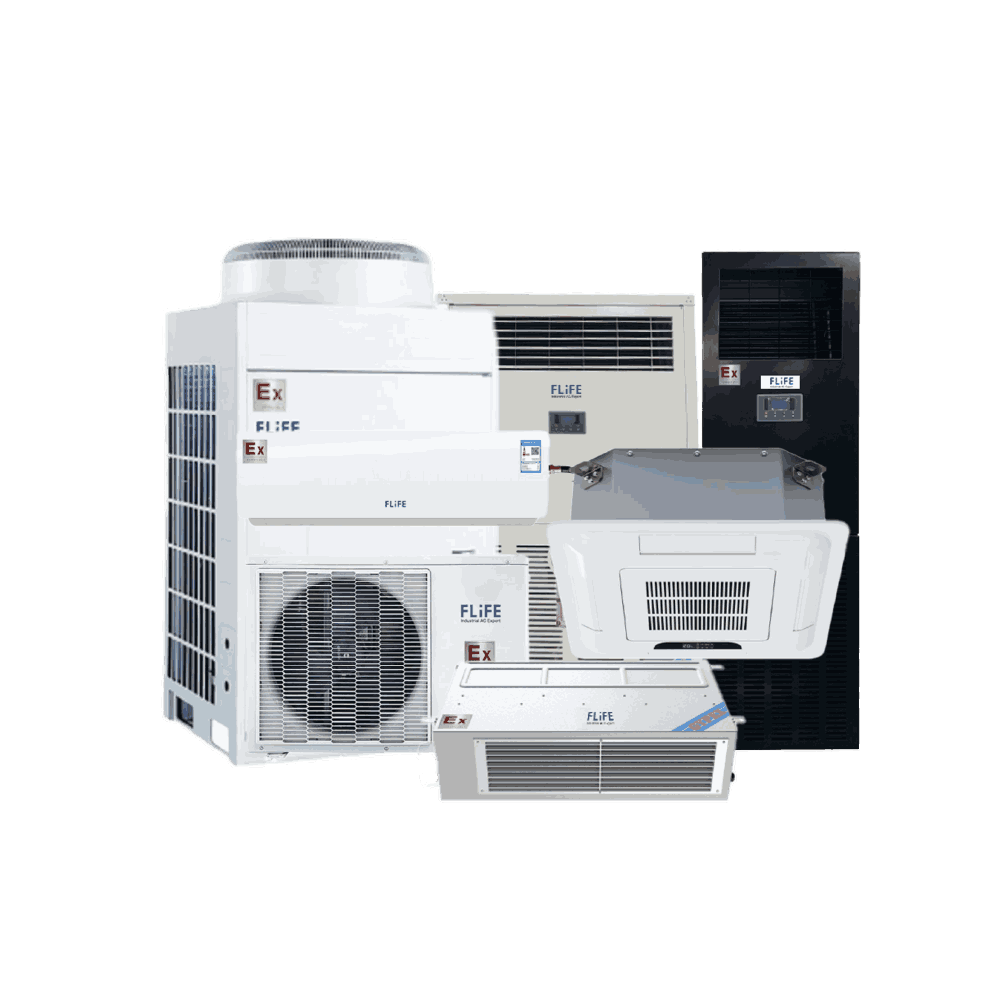
Return air type/Fresh air type
Cooling capacity range :
- Duct 3.5-60 kW
- Floor Standing 1.6-10.5kW
- Cassette:5/7.2/12kW
- Wall mount/:2.6/3.5/5/7kW
Product Features
- ESP has a wide selection range, up to 400pa
- A wide selection range of cooling capacity and air volume to meet a variety of usage scenarios
- Customizable filters to meet scene cleanliness requirements
Description
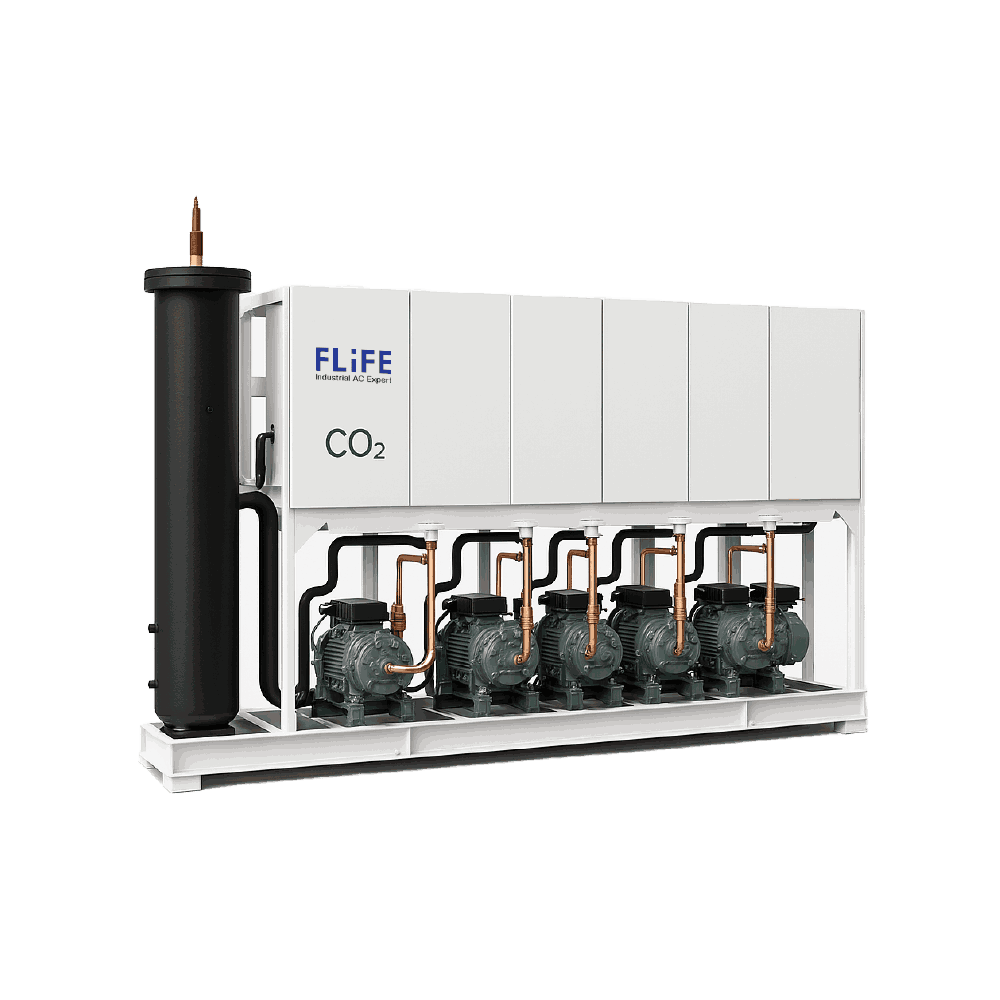
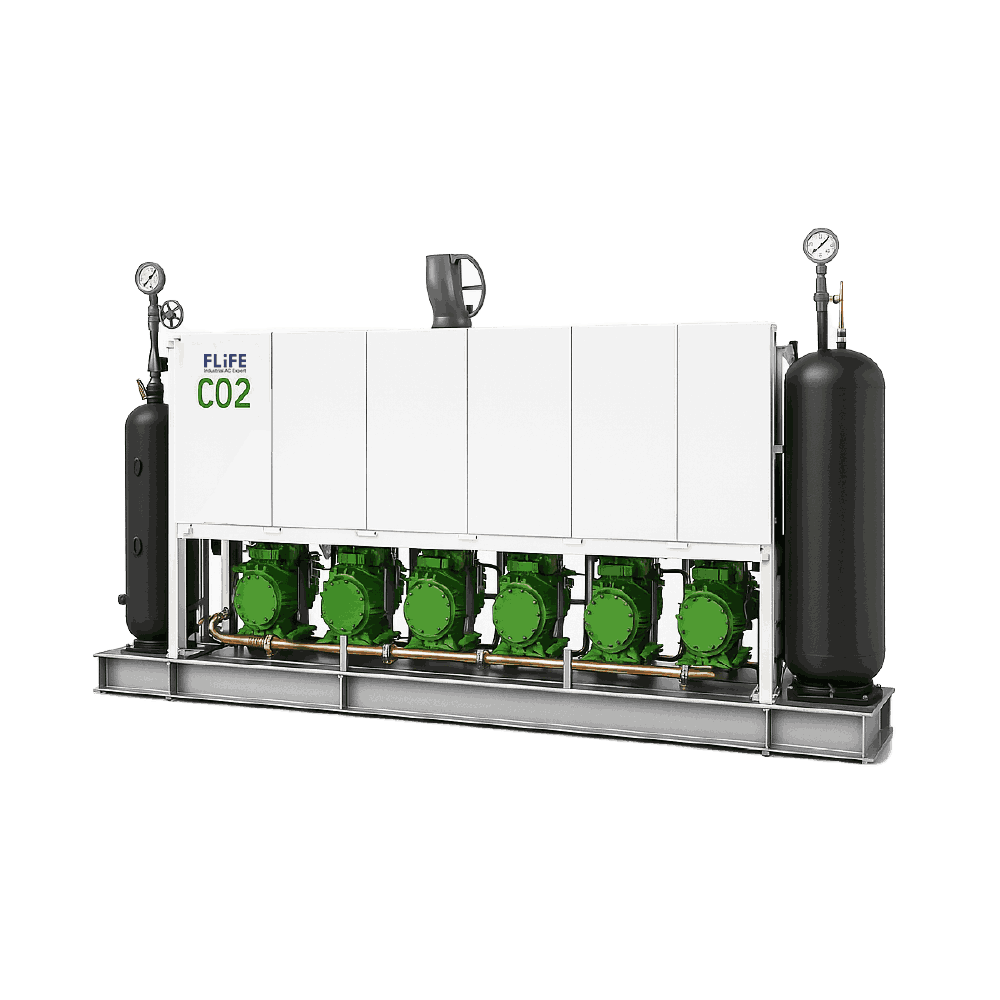
FLIFE Explosion-proof air conditioners combine advanced safety mechanisms and intelligent controls to serve critical roles in hazardous industries.
Core Advantages:
- Explosion-Proof Design and Safety
- Full-Unit Protection: Critical components (compressors, fans) use composite technologies like flameproof (Exd), intrinsically safe (Exib), and encapsulated (Exm) designs to eliminate sparks
- Robust Materials: Stainless steel or corrosion-resistant alloy housings ensure durability in extreme conditions
- Safety Monitoring: Built-in gas concentration sensors and temperature/humidity detectors trigger automatic shutdowns or alarms for abnormalities
- Efficient Cooling/Heating and Stability
- Multi-Finned Heat Exchangers: Improve refrigerant-air contact, enhancing cooling/heating efficiency by 20–30% compared to standard units
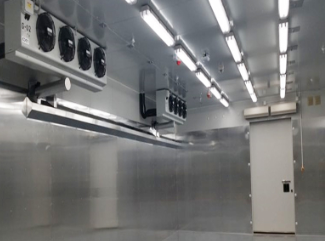
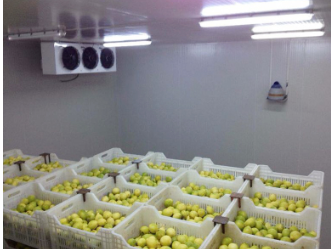
- Wide Temperature Range: Operates in -15°C to +65°C environments, suitable for both high-temperature workshops and low-temperature storage
- Smart Controls and Energy Efficiency
- Inverter Technology: Adjusts compressor speed to reduce energy consumption (EER ≥3.5)
- Remote Management: Supports IoT-enabled monitoring via mobile apps or computers for centralized oversight
Versatile Applications:
High-Risk Industrial Environments
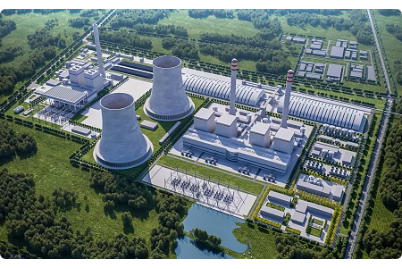
- Oil and Gas: Refineries, chemical plants, and fuel storage areas (Ex IIA/IIB-rated)
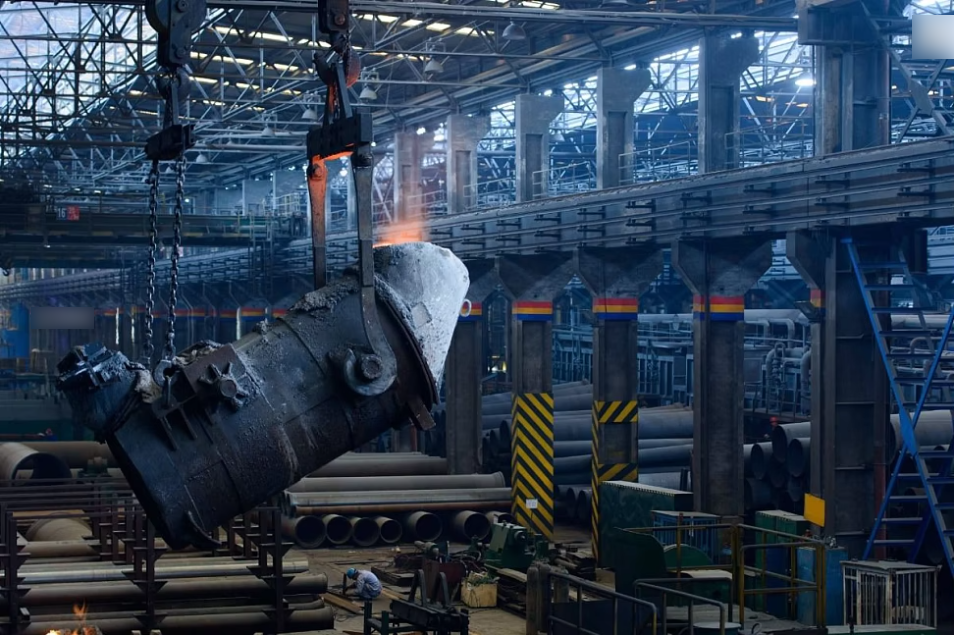
- Mining and Metallurgy: Customized units for underground mines or metal smelting facilities
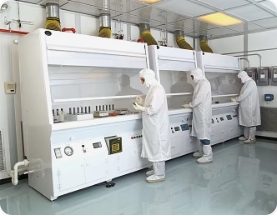
Specialized Facilities - Military and Research: Ammunition depots, labs handling volatile substances
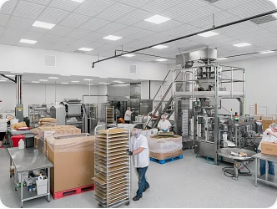
- Pharmaceuticals and Food: Alcohol extraction rooms, flour processing plants (Ex IIC-rated)
Extreme Environments and Mobile Scenarios - Offshore Platforms: Resists saltwater corrosion and high humidity
- Modular Units: Rapid deployment in temporary mining camps or containerized control rooms